9 DIY Scandinavian Wall Décor Ideas You Can Easily Try
Introduction
Scandinavian wall décor is often reduced to “keep it minimal,” but in real homes, it is more layered than that. It is about how surfaces behave over time, how light moves across them, and how small handmade elements soften the space. Especially in apartments, walls are rarely perfect. You start noticing faint roller marks, subtle dents, or areas where sunlight fades the paint unevenly.
DIY works well here because it naturally avoids that overly polished look. Slightly uneven edges, hand-cut materials, and soft imperfections actually help the wall feel more believable. Instead of trying to create a perfect finish, the goal is to build something that settles into the space over time.
These ideas focus on simple, practical setups that you can create without overcomplicating things, while still keeping that calm Scandinavian feel intact.
1. Soft Rectangular Paint Block with Hand-Finished Edges
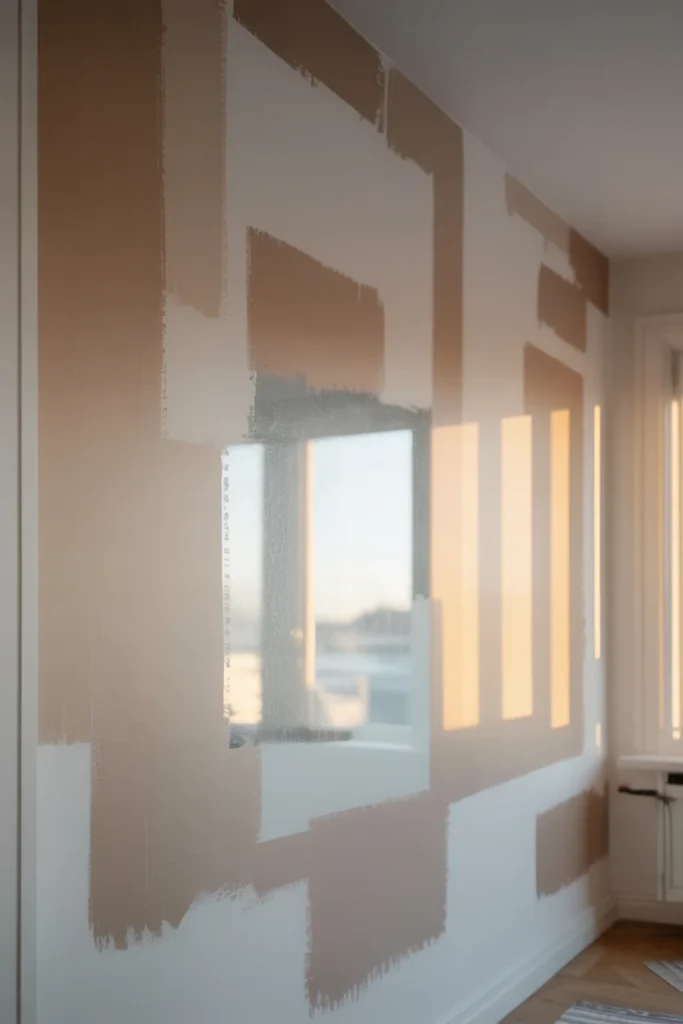
Instead of decorating with objects, create a painted section directly on the wall using a muted tone like warm white, pale grey, or soft beige. The key is to avoid sharp tape lines. Let the edges stay slightly uneven, with visible brush overlaps when viewed closely. This gives the wall a softer, more natural structure.
In morning light, the painted section often reflects differently than the surrounding wall. You may notice faint roller marks or areas where the paint absorbed unevenly. By evening, the contrast softens, blending into a calm surface. Over time, the lower portion may pick up subtle scuffs, especially behind furniture, which makes the setup feel lived-in rather than staged.
Running your hand across the painted area, you can sometimes feel slight texture differences where layers overlap. That small variation adds depth without needing anything else on the wall, making it ideal for smaller spaces.
2. Thin Wooden Slat Section with Slight Spacing Imperfection
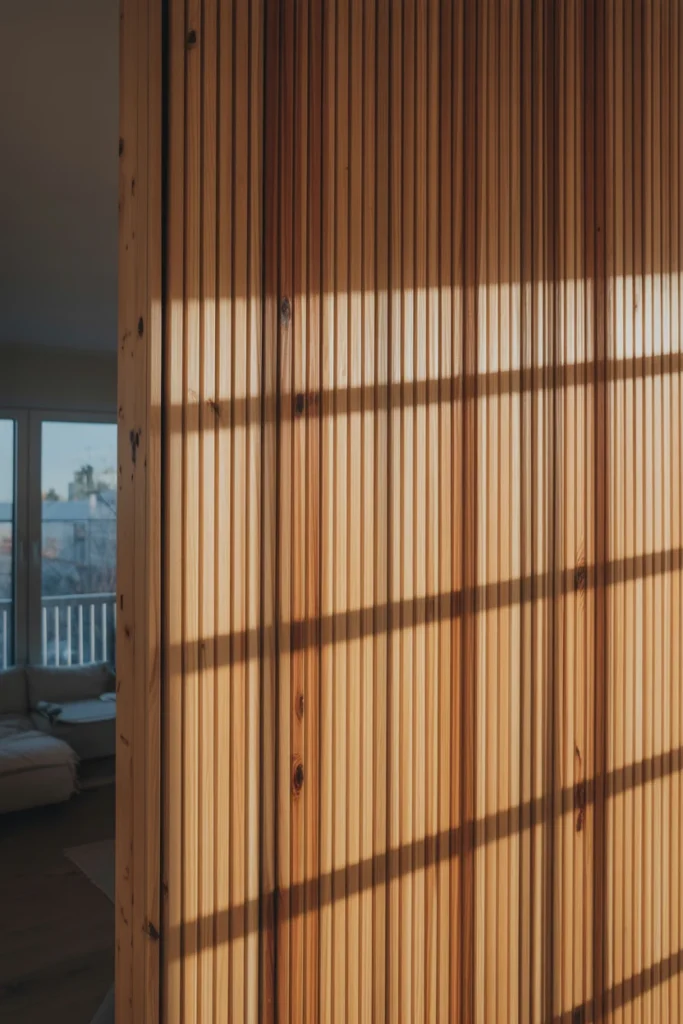
Create a small section using thin vertical wooden slats, but avoid perfect spacing. Let some gaps be slightly wider than others. This removes the “factory-made” look and makes the wall feel more relaxed.
In daylight, each slat casts a narrow shadow that shifts as the sun moves. You will notice some pieces reflecting more light than others depending on the grain direction. By evening, the shadows soften, and the section reads as a single textured surface.
Over time, the wood may change tone slightly, especially if exposed to sunlight. Dust tends to settle in the narrow gaps, and the edges might feel a bit rough if left lightly sanded. These details add character instead of making it look worn out.
This works well if you want subtle texture without making the wall feel heavy.
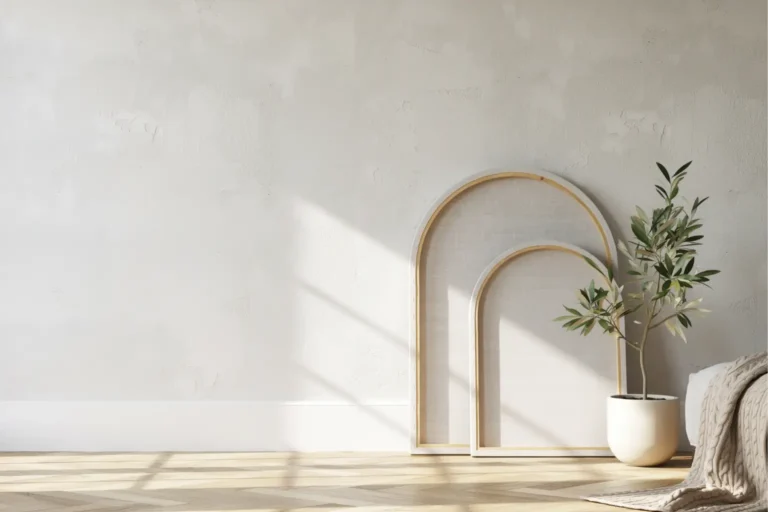
3. Leaning Frame with Textured Paper Insert
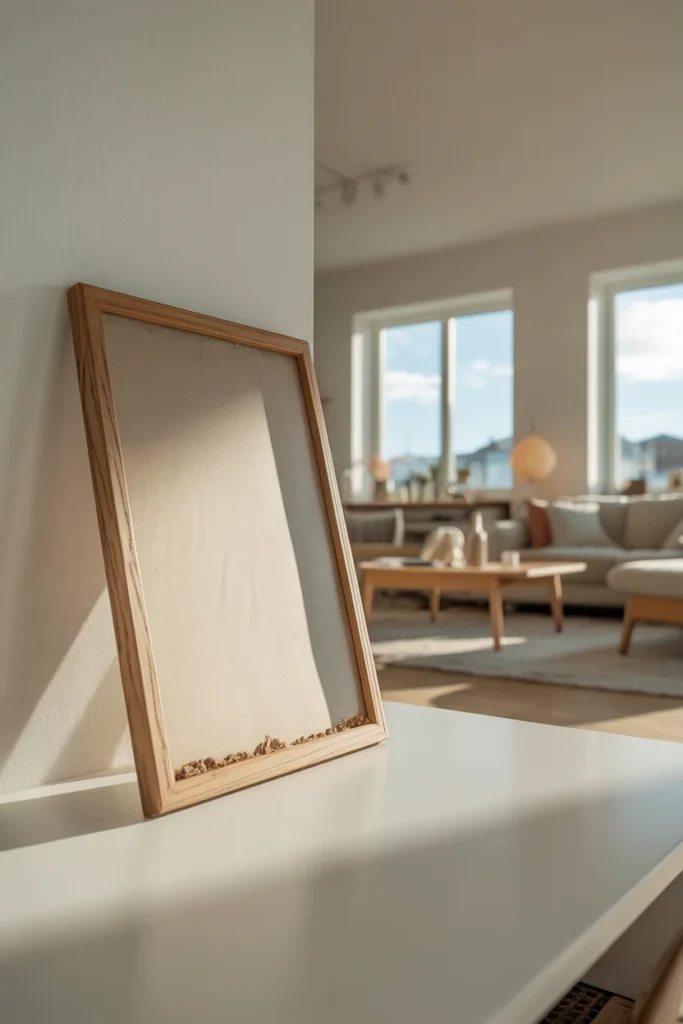
Instead of hanging artwork, lean a simple wooden frame against the wall with slightly textured paper inside. The paper should not be perfectly flat. Small creases or soft waviness help it feel more natural.
In the morning, light highlights the texture of the paper, creating gentle shadows within the surface. By evening, the frame appears flatter, but still holds a quiet presence. The angle does not need to be exact. A slight tilt usually looks more natural than perfect alignment.
You may notice dust gathering along the bottom edge or faint marks where the frame touches the floor. If the paper shifts slightly inside the frame over time, it adds to the relaxed look rather than feeling like a flaw.
This approach keeps the wall flexible and avoids permanent changes, which works well in apartments and evolving spaces.
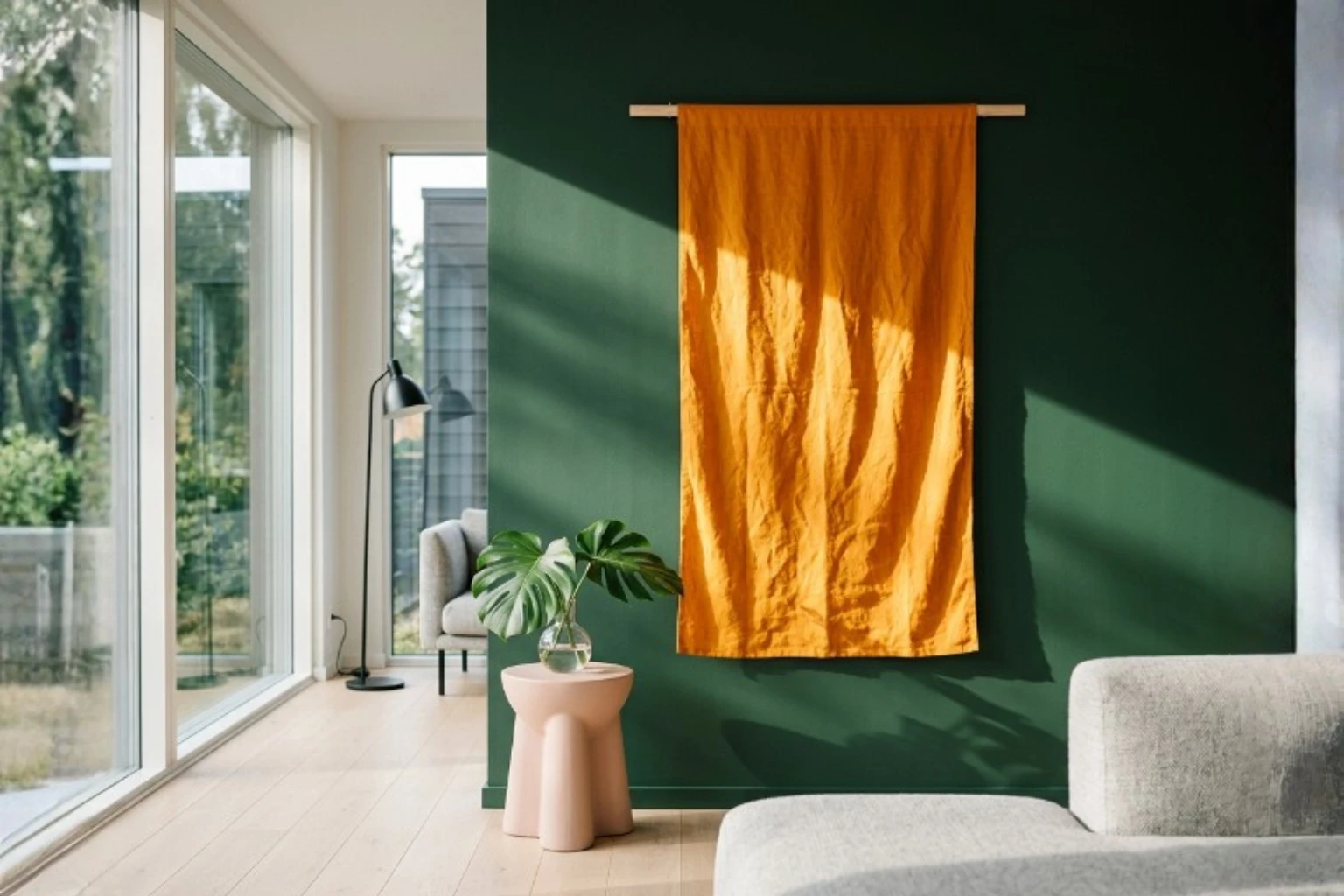
4. Hanging Fabric Panel with Natural Wrinkles
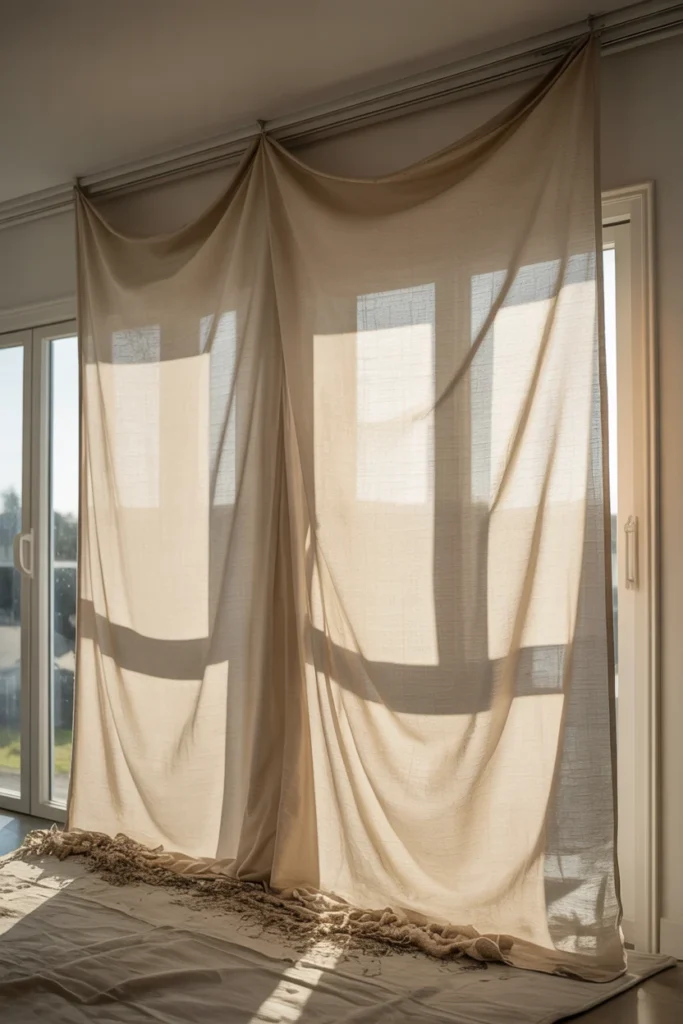
Use a neutral fabric panel fixed at the top and let it fall naturally. Avoid ironing it completely. Soft wrinkles and folds help break the flatness of the wall.
During the day, light catches on the folds, creating subtle highlights and shadows. As air moves through the room, the fabric may shift slightly, changing its shape. In the evening, the folds appear deeper under warm lighting.
Over time, the lower edge may collect dust or develop slight creases from repeated movement. You might also notice faint discoloration if placed near a window. These small changes make the setup feel more grounded.
This idea works well in minimalist spaces where softness is needed to balance harder surfaces.
5. Small Peg Rail with Minimal Use
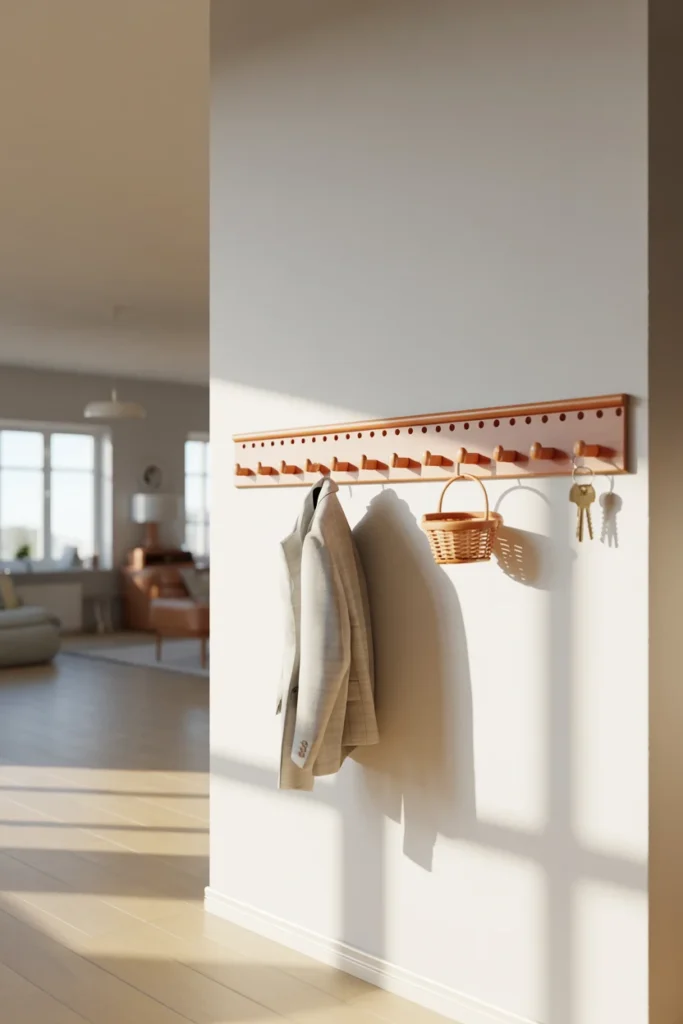
Install a short peg rail but use only one or two hooks. Leaving the rest empty keeps the wall visually light while still functional.
In natural light, the pegs cast small circular shadows that shift throughout the day. Items placed on the rail may move slightly, creating subtle motion. The wood may show faint wear where objects are frequently handled.
Over time, dust gathers along the top edge, and slight color variations appear due to use. If the rail is not perfectly level, you may notice a small tilt when looking closely, which adds to the natural feel.
This approach works well in apartments where storage and aesthetics need to balance without clutter.
6. Half-Wall Tone Shift with Soft Transition
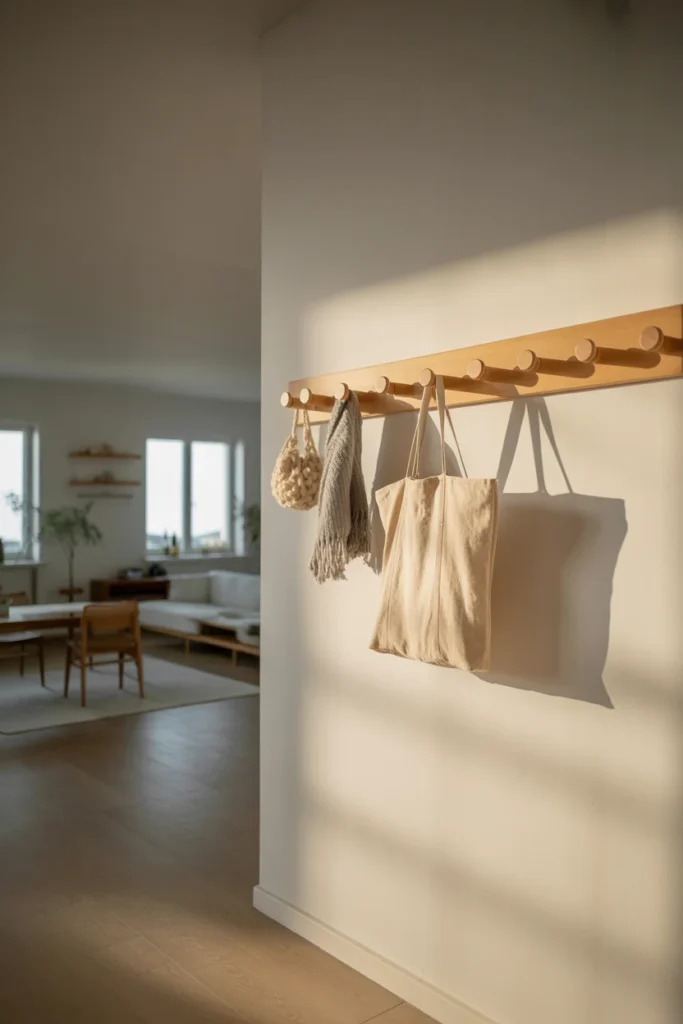
Paint the lower half of the wall in a slightly darker neutral tone, keeping the upper half lighter. Do not create a perfectly sharp line. A soft transition feels more natural.
In daylight, the lower section absorbs more light while the upper reflects it, making the space feel taller. You may notice slight unevenness in the dividing line when viewed closely. By evening, the contrast softens.
The lower area often develops more wear, such as faint scuffs or uneven cleaning marks. These details blend into the design instead of standing out.
This idea adds depth without needing additional décor elements and works especially well in compact rooms.
7. Small Floating Object with Visible Shadow Gap
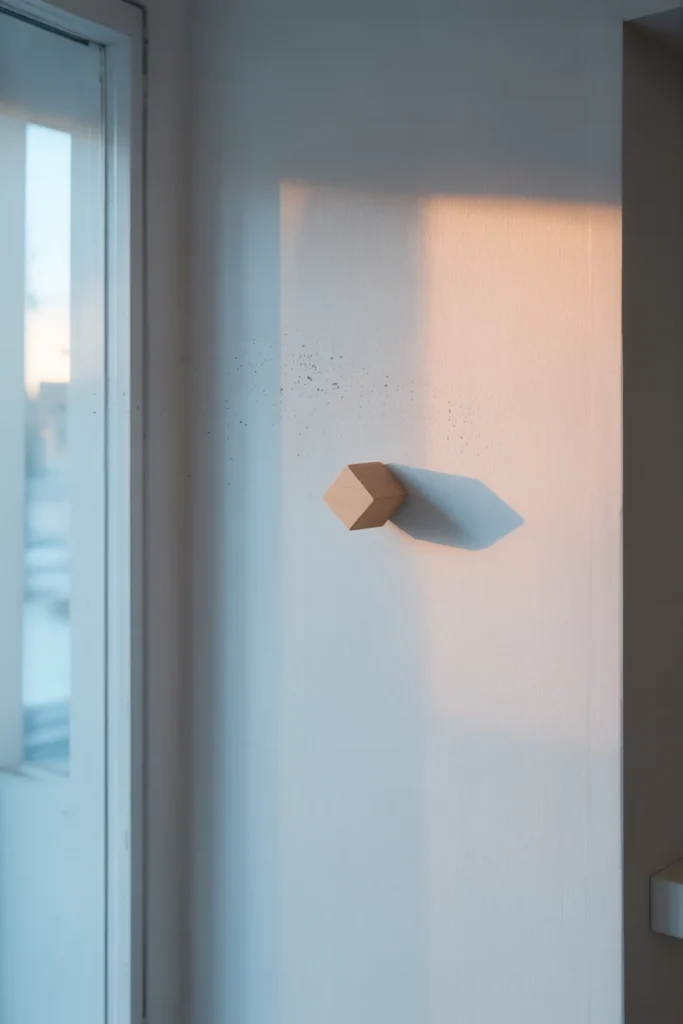
Use a small wall-mounted object placed slightly away from the surface so it creates a shadow gap. The shadow becomes part of the design.
During the day, the shadow appears soft and diffused. At night, it becomes sharper and more defined. The object itself may show slight fingerprints or dust along its top edge.
Because the rest of the wall stays empty, small imperfections become more noticeable. Faint paint variations or tiny marks add quiet depth to the surface.
This idea keeps things minimal while still adding visual interest from different angles, similar to approaches seen in Empty Wall Styling Ideas where space itself becomes part of the design.
8. Raw Wood Panel with Slightly Rough Edges
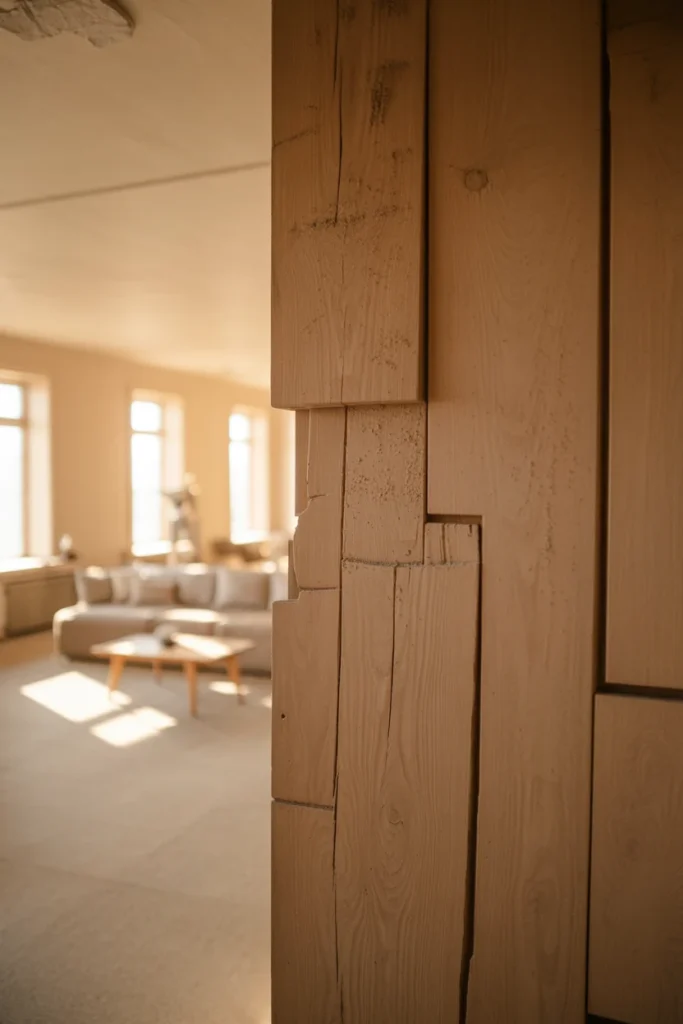
Use a simple wooden panel with lightly unfinished edges. Do not aim for perfect cuts. Slight roughness helps it feel more natural.
In daylight, the grain becomes more visible, especially where the surface is uneven. By evening, the panel appears deeper in tone. The edges catch light differently, highlighting their irregularity.
Over time, the wood may develop subtle tonal shifts or small marks from handling. Dust can settle along the top edge or in fine grooves.
This adds warmth without making the wall feel heavy or overly designed.
9. Bare Wall with Light as the Main Feature
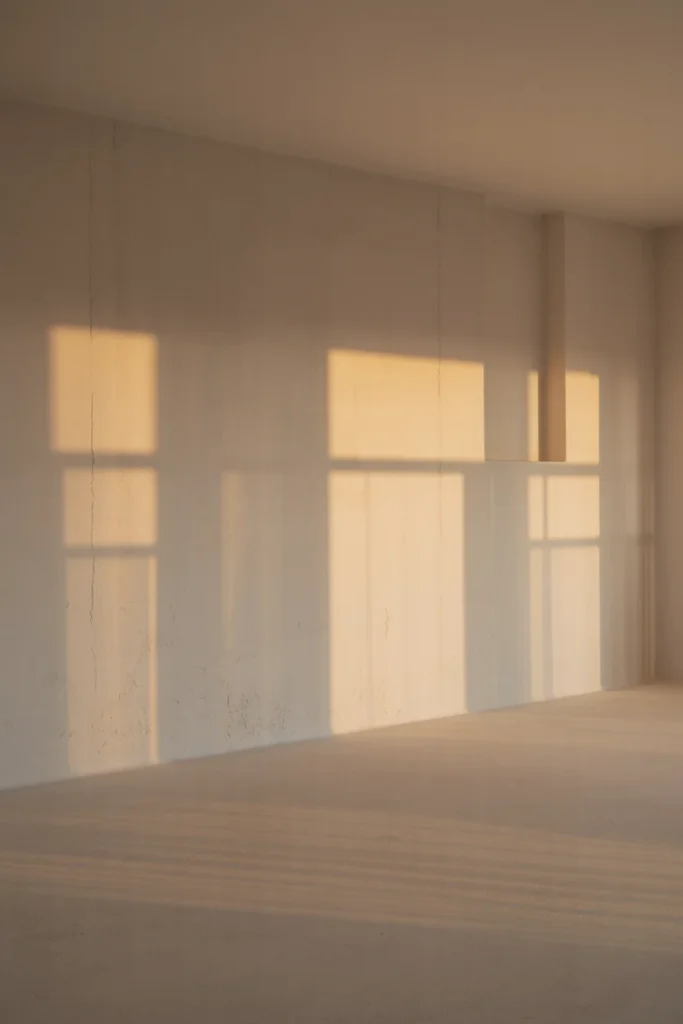
Leave the wall empty and let light define it. Position nearby furniture or objects so they cast soft shadows across the surface.
In the morning, shadows appear longer and softer. Around midday, they become sharper. By evening, they soften again with warmer tones. This natural shift keeps the wall visually active.
You may notice slight paint inconsistencies or faint marks depending on how light hits the surface. These details add subtle texture rather than feeling like flaws.
This approach works especially well in smaller apartments where adding décor can quickly feel overwhelming, and it pairs naturally with Minimalist Wall Décor Ideas for Apartments if you want to extend the same calm aesthetic across rooms.
Conclusion
Scandinavian wall décor is less about adding and more about adjusting. Small DIY elements, soft textures, and natural imperfections create a wall that feels calm without feeling empty. Instead of aiming for perfection, these ideas allow the wall to evolve over time.
In real homes, surfaces change. Light shifts, materials age, and small marks appear. When the setup is simple and balanced, these changes improve the space rather than disrupting it. Start with one idea, observe how it behaves, and build slowly from there.